

Commercial Roof Replacement Cost: What Property Owners Should Expect
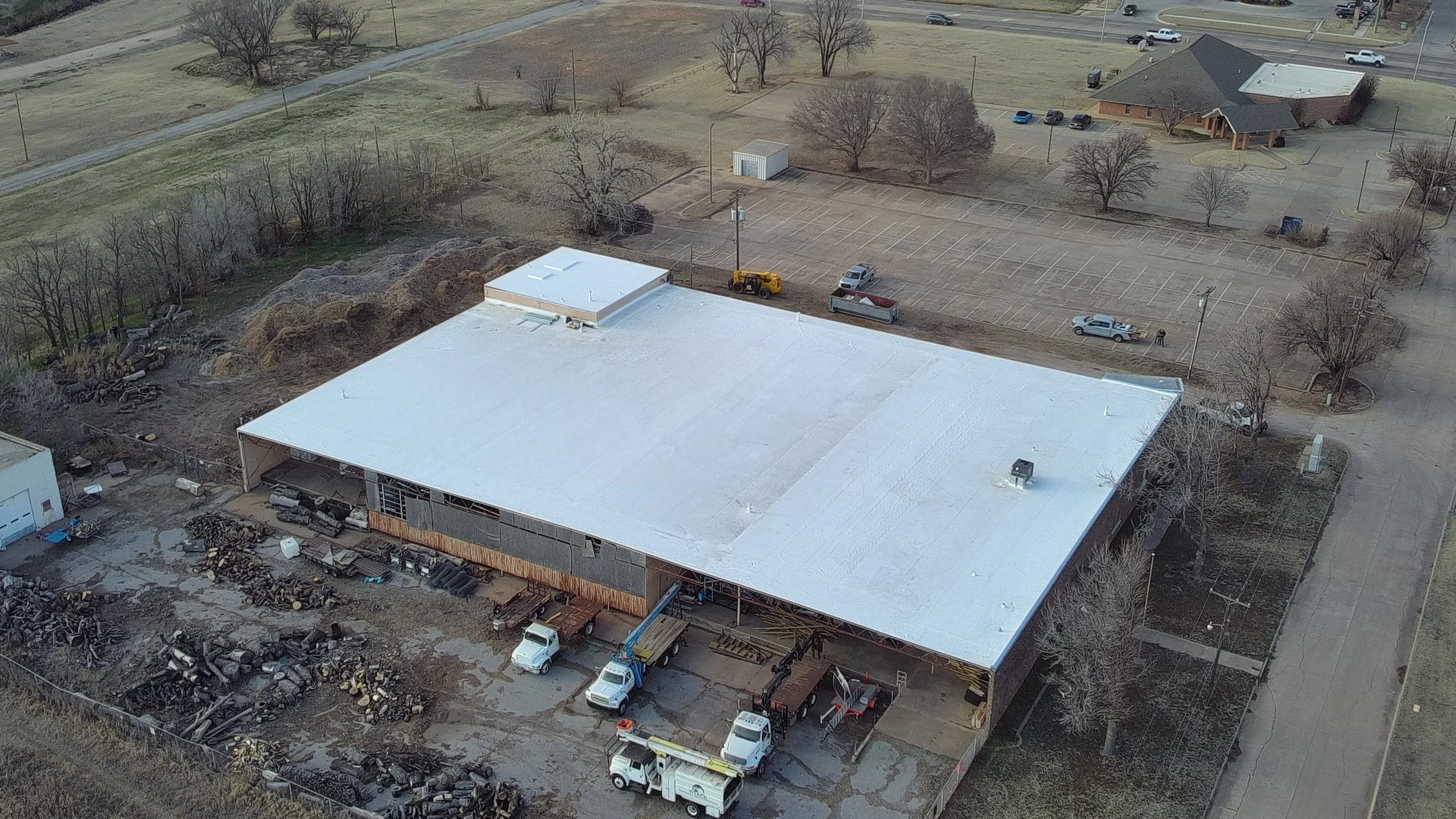
Commercial roof replacement costs vary based on materials, roof size, and system complexity. Understanding these factors helps property owners make informed, long-term decisions..
What Impacts Commercial Roof Replacement Cost
Roof Size – Larger roofs require more materials and labor, increasing total cost.
Material Type – TPO, modified bitumen, and coatings all vary in price and performance.
Labor & Installation Complexity – Roof access, tear-off requirements, and structural repairs affect labor costs.
Insulation & Code Requirements – Updated building codes may require additional insulation or system upgrades.
Roofing System Options
TPO Roofing – A cost-effective, energy-efficient single-ply system ideal for flat roofs.
Learn more: /tpo-roofing
Modified Bitumen – Durable and impact-resistant, designed for long-term performance.
Roof Coatings – A restoration option that extends roof life without full replacement.
Learn more: /roof-coatings
How to Decide the Right Option
Choose replacement if the roof has widespread damage or is beyond its lifespan
Consider coatings if the structure is still sound and leaks are minimal
Evaluate long-term maintenance costs vs. upfront savings
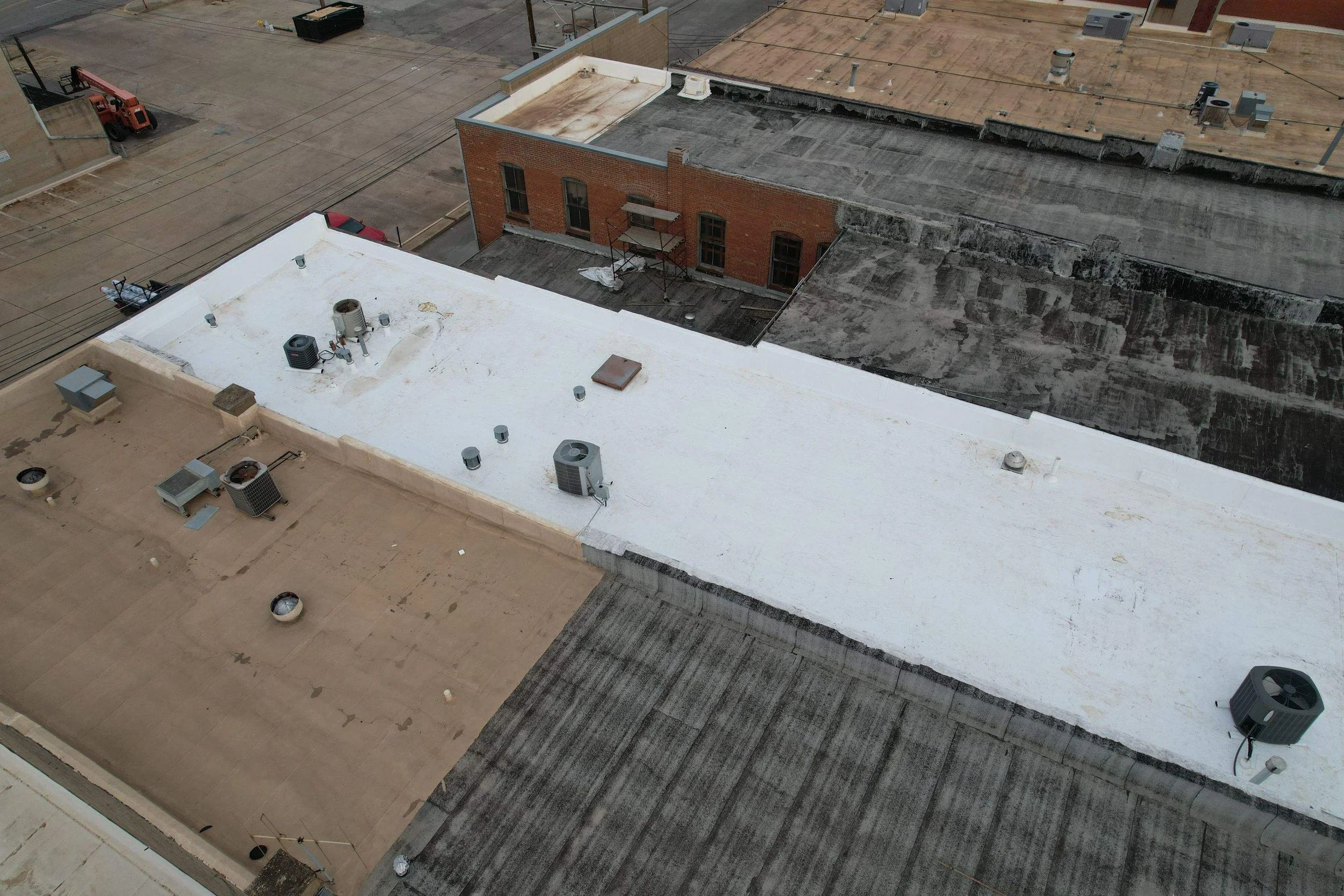
Long-Term Considerations
Lifespan – TPO (15–25 years), Modified Bitumen (20+ years), Coatings (10–15 years with maintenance)
Maintenance – Regular inspections help prevent costly repairs
Performance – Energy efficiency and weather resistance vary by system
Durability – Impact resistance is critical in storm-prone areas
The right roofing system should be selected based on performance, durability, and long-term value—not just initial cost. A professional evaluation ensures the best investment for your property.
If you are evaluating a roofing project, schedule a roof evaluation here: